
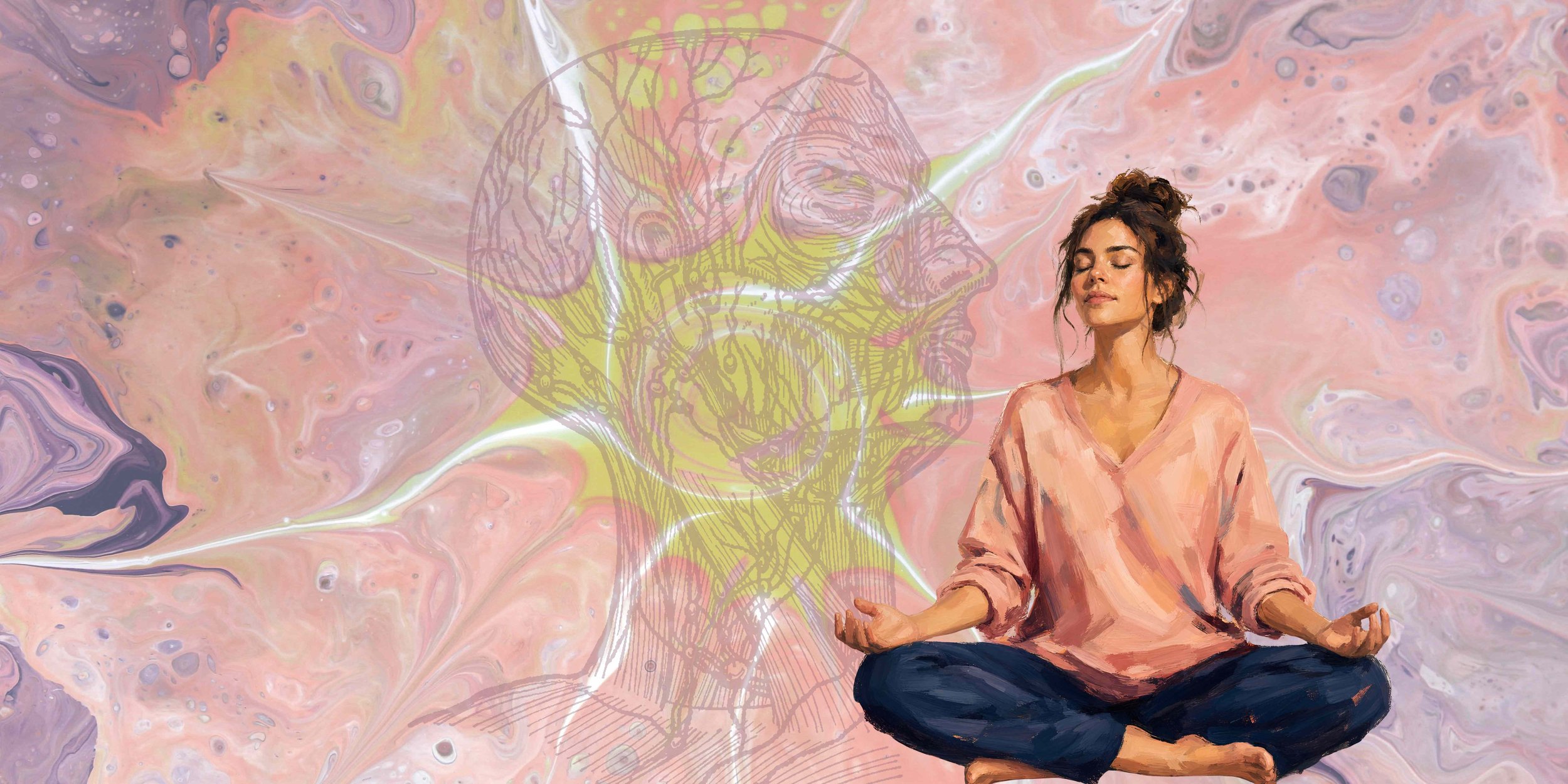
““Movement is the song of the body, and flow is its natural state. When we move with intention, we give our inner waters permission to clear, cleanse, heal and support.””
Glow from Within
A 6-Week Yoga Program for Lymphatic Health & Longevity
Nurture your body’s natural system for immunity, fluid balance, and vibrant aging.
This 6 week yoga journey is focused on supporting your lymphatic system — the body's often-overlooked network for immunity, fluid balance, and healthy aging. Each week we'll gather for a 60-minute class exploring gentle sequences, breathwork, self-massage, and restorative poses — all designed to get things flowing. A short daily home practice keeps the benefits building between sessions. Come curious. Leave feeling renewed.
Dates: Sundays, October 18-November 29, 2026
Time: 10-11am (60-minute weekly sessions)
Format: In-Studio at Atlas Yoga Studio & School (Galt, Cambridge) / Optional: Online via Zoom
Investment: 180.00 plus HST - 90.00 plus HST - special pricing for this session requires pre and post questionnaires and weekly check-in regarding observed benefits.
Awaken Your Body’s Natural Flow
Deep within, a quiet network works tirelessly to keep you vibrant, healthy, and resilient. Your lymphatic system is the body’s often-overlooked pathway for maintaining fluid balance, clearing away waste, and supporting your immune health. Yet, unlike the heart, this system has no central pump—it relies entirely on your movement, your breath, and your conscious care to keep flowing.
Glow from Within is a thoughtful, six-week yoga journey designed specifically to honour and stimulate this vital system. Whether you are looking to reduce inflamation, support healthy aging, enhance your immune resilience, or simply find a deeper sense of physical lightness and comfort, this program offers a sanctuary for renewal.
Come curious. Leave feeling completely renewed.
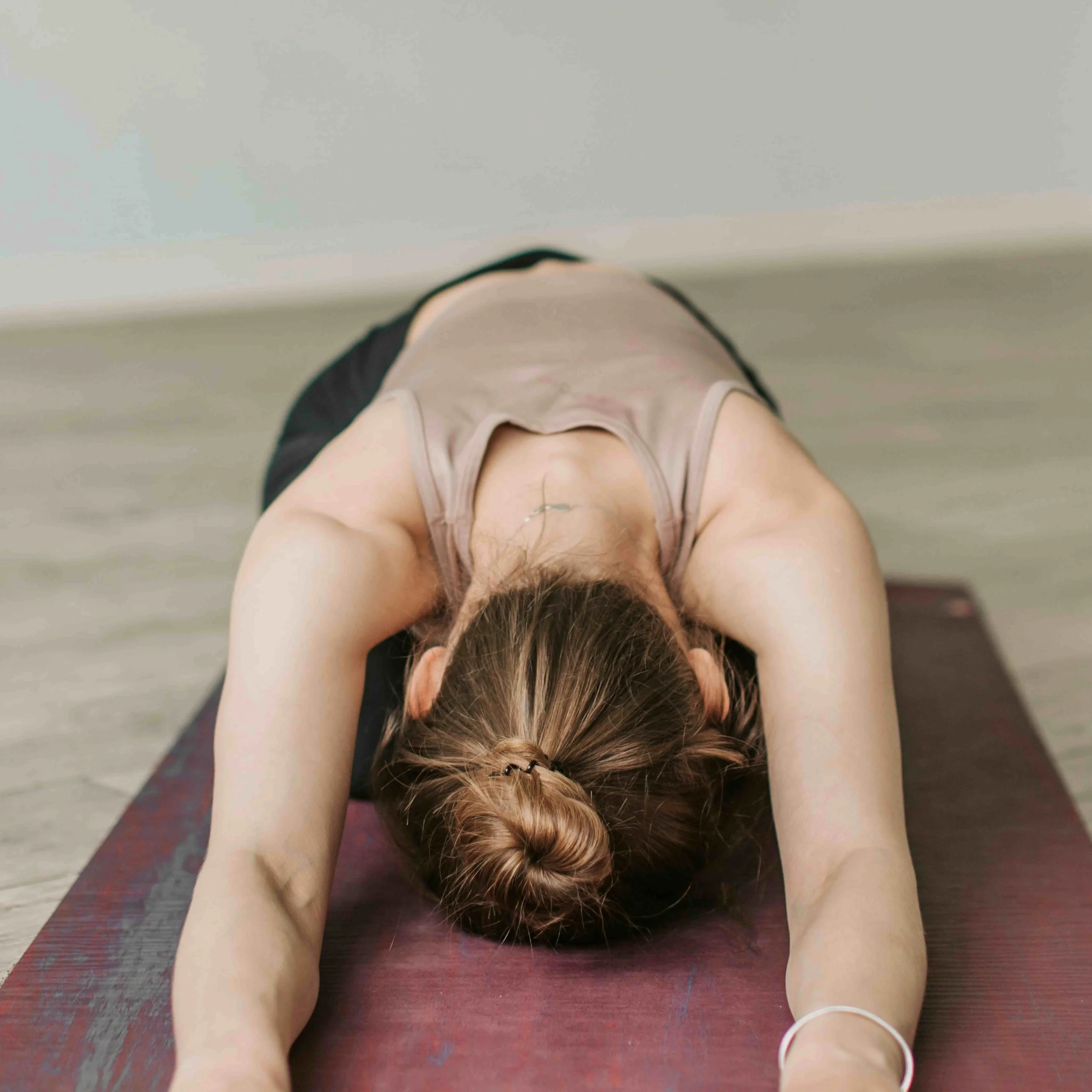
The journey
Six Weeks of Focused Care
Each week, we will gather for a 60-minute practice that blends therapeutic movement with somatic self-care. To bridge the gap between our studio sessions and help you build sustainable habits, you will also receive a short daily home practice to keep the benefits building throughout the week.
Our weekly gatherings will explore:
Gentle, Purposeful Sequences: Rhythmic, low-impact yoga movements designed to mechanically stimulate lymph flow and improve joint mobility.
Targeted Breathwork (Pranayama): Utilizing the power of the diaphragm—the primary internal pump for the deep lymphatic system—to clear stagnation.
Conscious Self-Massage: Learning gentle, non-invasive lymphatic self-massage techniques to reduce fluid retention and support glowing skin.
Restorative Poses & Relaxation: Deeply restful postures supported by props to down-regulate the nervous system, lower inflammation, and optimize healing.

Making Connections
Heart is sea,
language is shore.
Whatever sea includes,
will hit the shore.
~ Rumi
The Curriculum at a Glance
Week 1: Foundations of Flow — An introduction to the anatomy of the lymphatic system, opening the primary lymph node clusters with gentle joint clearing.
Week 2: The Diaphragmatic Pump — Deepening our breathwork to access the deep thoracic duct and support core vitality.
Week 3: Cleansing from the Core — Incorporating gentle twists and rhythmic movement to stimulate digestive and abdominal lymph health.
Week 4: Radiance & De-Congestion — Focusing on the upper body, neck, and face to release tension, support sinus health, and promote a natural glow.
Week 5: Rest & Restore — Utilizing gravity and restorative inversions to assist lower-body fluid return and induce deep systemic rest.
Week 6: Integration & Longevity — Designing your sustainable lifestyle ritual to carry these powerful benefits forward into your daily life.
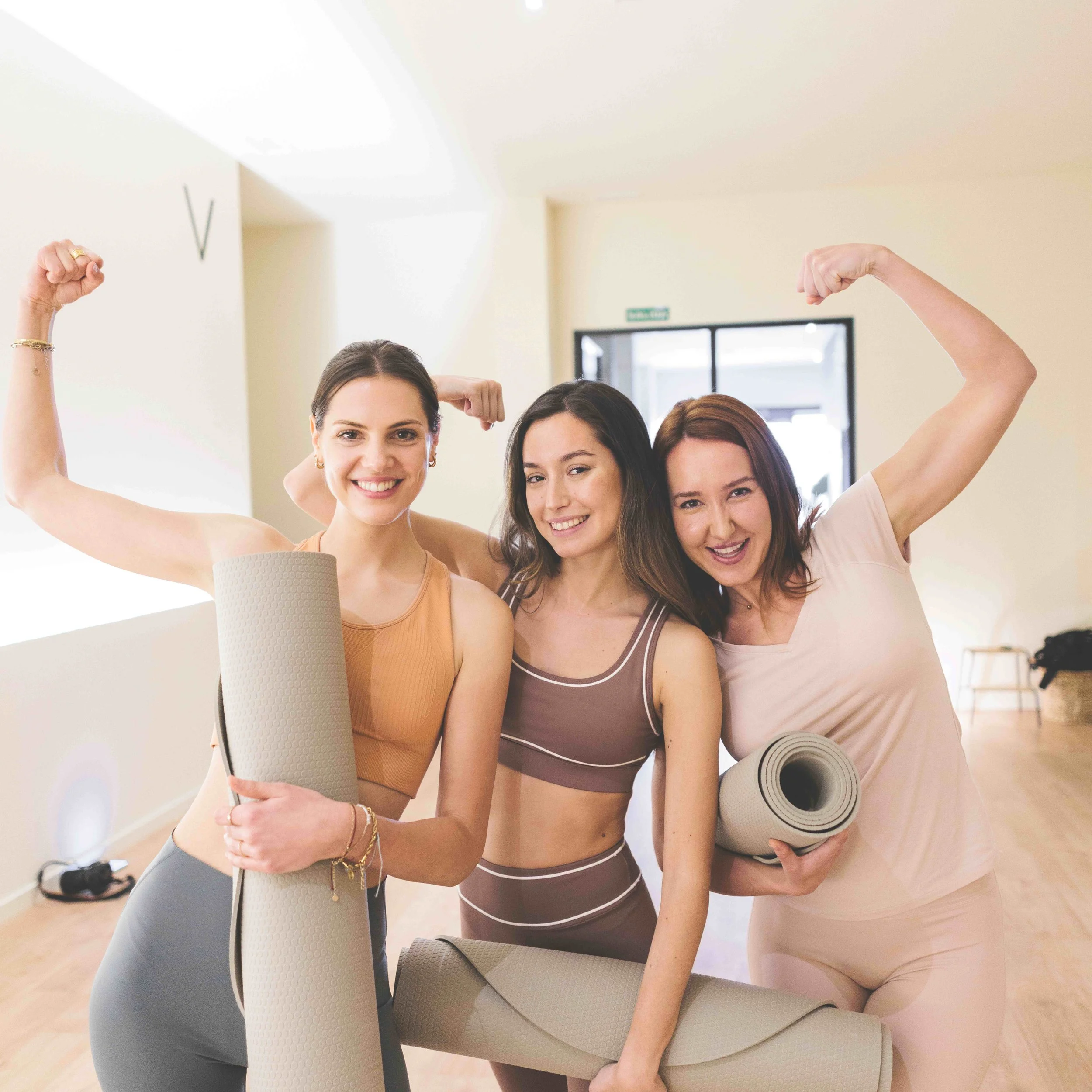
this program is for you
No prior yoga experience is necessary. If you are navigating a specific medical condition related to your lymphatic system (such as lymphedema), please consult with your healthcare provider prior to registration.
This program is highly accessible and deeply therapeutic. It is beautifully suited for anyone looking to:
Support and strengthen their immune system naturally.
Manage mild fluid retention, sluggishness, or a feeling of physical heaviness.
Explore mindful, gentle movement that respects the body's boundaries.
Learn practical, holistic self-care tools for healthy aging and longevity.
Complement their existing yoga or movement practice with an educational, therapeutic focus.

Instructor: Danielle Huge
"I view yoga as a journey back home to the self. My teaching combines the quiet stillness of Yin Yoga with gentle somatic explorations and breathwork, creating a safe sanctuary for you to release tension, unravel habitual holding patterns, and rediscover your natural state of flow. Whether we are moving through a seasonal series or diving into deep rest, my goal is for you to leave feeling grounded, supported, and renewed."
Guided by Expertise and Care
At Atlas Studio, we believe that education is empowerment. This program is rooted in a deep understanding of yoga therapeutics, functional anatomy, and compassionate teaching. You will be guided through safe, scientifically supported techniques within a welcoming, community-centred environment where every body is honoured.
-
We will activate your body’s major "internal pump" through diaphragmatic breathwork.
The Science Behind It:
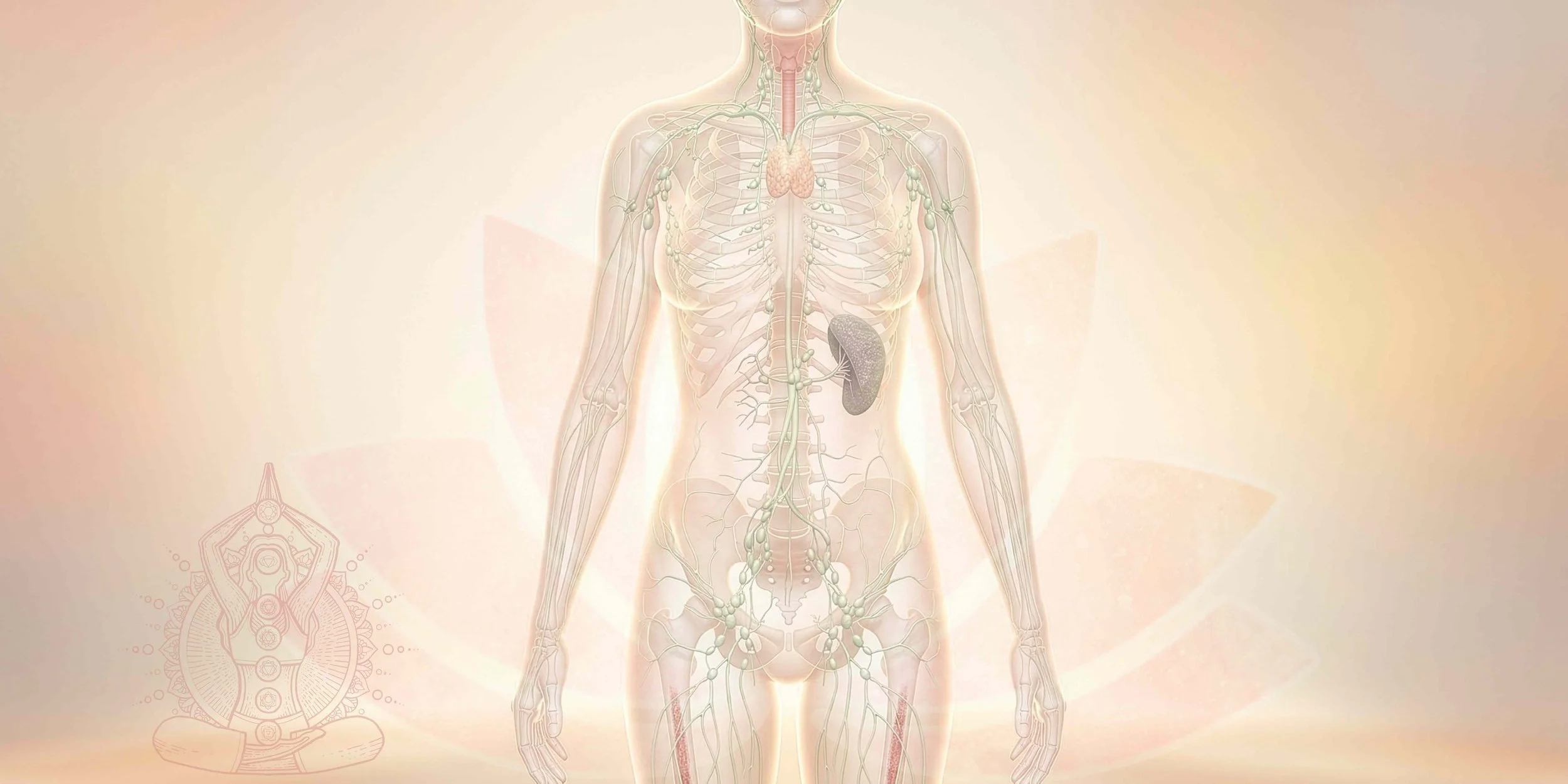
Unlike the cardiovascular system, which relies on the heart to continuously pump blood, the lymphatic system has no central pump of its own. It relies primarily on muscular contraction and intra-thoracic pressure changes to circulate lymph fluid. Deep diaphragmatic breathing (Pranayama) acts as the primary driver for central lymph drainage. When the diaphragm moves downward during a deep inhalation, it creates a pressure differential between the abdomen and chest. This creates a natural suction effect that draws lymph fluid up through the thoracic duct—the largest lymphatic vessel in the body—and returns it to the bloodstream.
Narahari, S. R., et al. (2013). "How Does Yoga Work in Lymphedema?" Journal of Yoga & Physical Therapy, 3(1). (Demonstrates that diaphragmatic breathing alters intra-thoracic pressure, serving as a functional replacement for central manual lymphatic drainage).
-
You will use gentle muscle contractions and inversions to clear fluid from the extremities.
The Science Behind It:
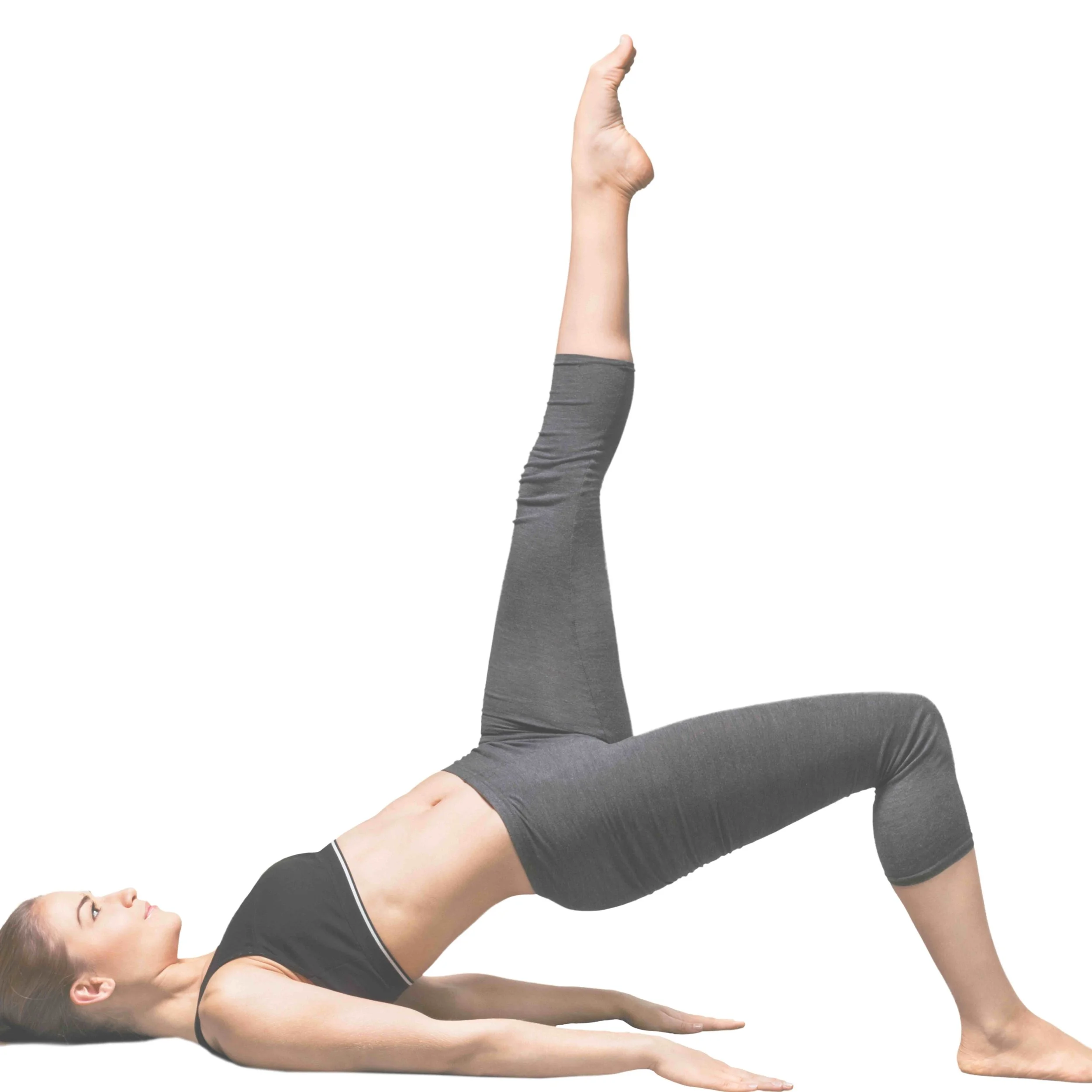
Because lymph fluid must travel against gravity to drain from the lower body back into circulation, sedentary habits can cause sluggishness and fluid accumulation in the feet, legs, and pelvis. Dynamic, low-impact yoga postures—such as Legs-Up-the-Wall (Viparita Karani), gentle twists, and rhythmic joint flexing—utilize skeletal muscle contractions to compress lymphatic vessels. This skeletal muscle pump, combined with gravity-assisted positioning, accelerates fluid clearance, reduces tissue swelling, and enhances joint mobility.
Narahari, S. R., et al. (2014). "Yoga for correction of lymphedema's impairment of gait as an adjunct to lymphatic drainage." International Journal of Yoga, 7(2), 125–131. (Shows that coordinated movement and posture holding significantly reduce limb volume and improve functional mobility).
-
You will down-regulate your nervous system to support immune resilience.
The Science Behind It:
Chronic stress activates the sympathetic nervous system ("fight or flight"), raising systemic inflammation and impairing immune function. The lymphatic system is a core component of the immune network, carrying white blood cells and filtering waste through lymph nodes. Restorative yoga, gentle self-massage, and slow rhythmic movement shift the autonomic nervous system into a parasympathetic state ("rest and digest"). This deep state of relaxation lowers stress hormones, optimizes fluid circulation, and allows lymphocytes (immune cells) to travel freely to combat pathogens.
MD Anderson Cancer Center (2023). "How to improve your lymphatic system." Cancer Wise Insights. (Emphasises that combining low-impact movement, deep breathing, and stress reduction directly enhances immune surveillance and lymphatic flow).
Ready to glow from the inside out?
Spaces are intentionally limited to ensure personal attention and a supportive group environment. Secure your mat today and take the first step toward lifelong vitality and flow.
Have questions about the program?
We are always here to chat. Reach out to us at [email protected] or visit us in the heart of Galt.
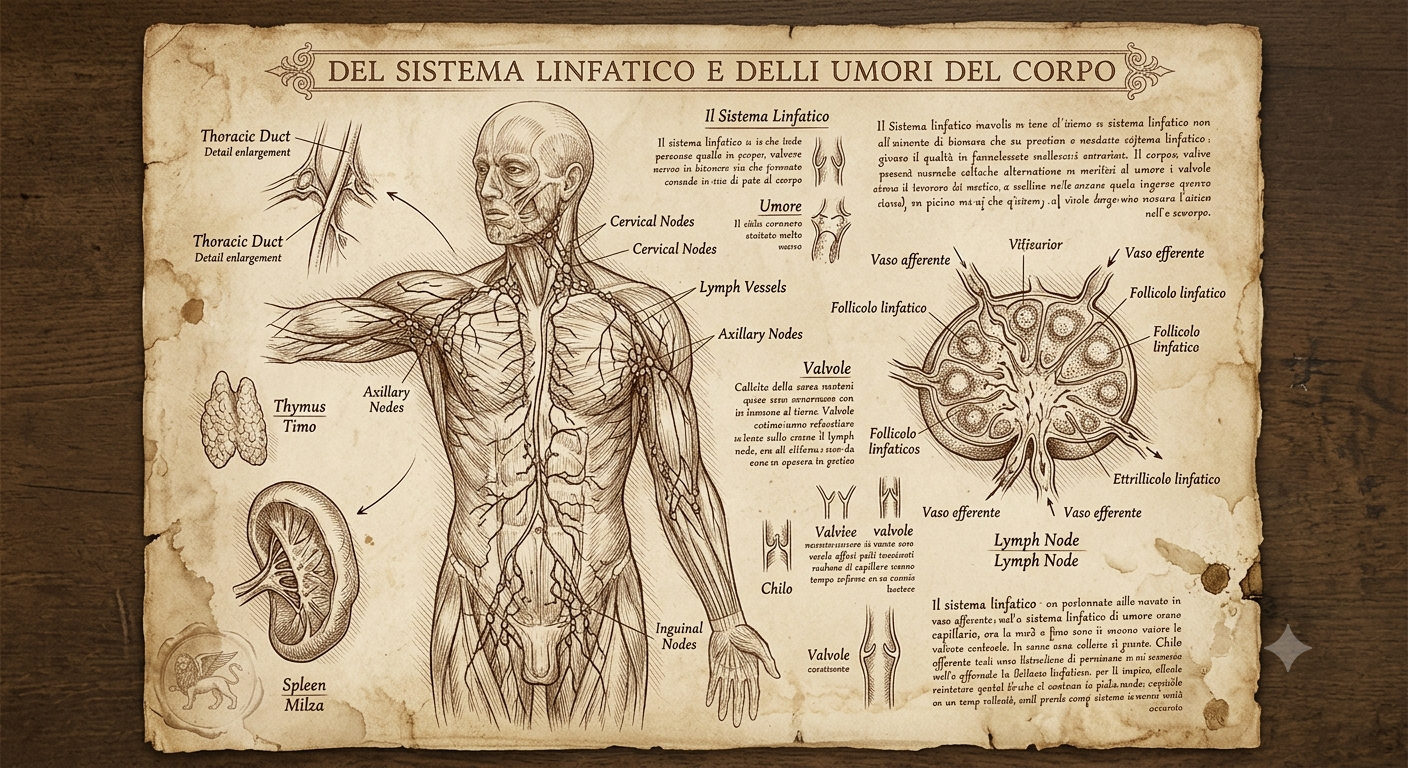
Davis-Gains, D. (2026). Renaissance-style anatomical illustration of the human lymphatic system [Image generated by AI]. Google Gemini.
More about Lymphatic System and Yoga
The Human Lymphatic System: Structure, Functions, and Organs
The human lymphatic system is a specialized network of vessels, nodes, tissues, and organs that works alongside the cardiovascular system. It acts as a drainage network to maintain tissue fluid balance, cleanses cellular waste, and serves as one of the primary lines of defence for the immune system.
While blood circulates continuously via the heart's pumping action, lymph fluid flows through a low-pressure, one-way system towards the heart, relying on muscle contractions, breathing movements, and internal valves to prevent backflow.
The lymphatic system is composed of four main elements:
Lymph: A clear-to-pale yellow fluid collected from interstitial spaces (the spaces between body cells).
Lymphatic Vessels: Thin-walled channels that collect and transport lymph throughout the body.
Lymph Nodes: Small, bean-shaped structures that filter lymph and house white blood cells.
Lymphatic Organs & Tissues: Primary and secondary organs (such as the spleen, thymus, tonsils, and bone marrow) where immune cells mature and react to pathogens.
Primary Functions at a Glance
Fluid Balance: Collects the roughly 2 to 3 litres of interstitial fluid daily that leaks out of blood capillaries and returns it to the venous bloodstream.
Immune Defence: Filters out pathogens, cellular debris, and foreign particles, while producing and housing lymphocytes (B cells and T cells).
Fat Absorption: Specialised lymphatic capillaries in the small intestine (called lacteals) absorb dietary fats and fat-soluble vitamins (A, D, E, and K), transporting them into systemic circulation.
Key Components & Anatomy
1. Lymph Fluid
When blood plasma filters through the microscopic walls of blood capillaries into surrounding tissues, it nourishes cells as interstitial fluid. About 85% of this fluid is reabsorbed by blood capillaries. The remaining 15% is collected by lymphatic capillaries; once inside these vessels, it is called lymph.
Composition: Water, proteins, glucose, electrolytes, metabolic waste, and high concentrations of white blood cells (particularly lymphocytes).
2. Lymphatic Vessels
Lymphatic vessels begin as blind-ended lymphatic capillaries woven through most tissues. They merge into larger vessels, passing through series of lymph nodes before emptying into two major collecting ducts in the chest:
Thoracic Duct: The largest lymphatic vessel, draining lymph from the lower body, left arm, left side of the chest, head, and neck into the left subclavian vein.
Right Lymphatic Duct: Drains lymph from the upper right quadrant of the body into the right subclavian vein.
3. Lymph Nodes
Lymph nodes are clustered in strategic areas such as the neck (cervical), armpits (axillary), chest (mediastinal), abdomen (mesenteric), and groin (inguinal).
Filtering Action: As lymph flows through a node, macrophages destroy debris and bacteria, while lymphocytes inspect the fluid for foreign antigens.
Node Swelling: During an infection, rapid lymphocyte proliferation inside the nodes causes them to enlarge and become tender—a classic sign that the immune response is active.
4. Primary Lymphatic Organs
Primary organs are the sites where lymphocytes are produced and undergo maturation.
OrganLocationMain FunctionBone MarrowSpongy interior of flat and long bonesProduces all blood cells, including B lymphocytes and T lymphocyte precursors. B cells fully mature here.ThymusUpper chest, directly behind the sternumProvides the microenvironment for immature T cells to differentiate into mature, immunocompetent T lymphocytes. Most active during childhood; gradually shrinks (involutes) after puberty.
5. Secondary Lymphatic Organs & Tissues
Secondary organs are where mature lymphocytes encounter antigens and initiate targeted immune responses.
Spleen: The largest single mass of lymphatic tissue in the body, located in the upper left abdomen.
Red Pulp: Filters blood, removes aged or damaged red blood cells, and recycles iron.
White Pulp: Houses lymphocytes that monitor blood for blood-borne pathogens.
Tonsils: Aggregates of lymphatic tissue located around the pharynx (throat). They monitor inhaled and ingested micro-organisms at the entrance to the respiratory and digestive tracts.
MALT (Mucosa-Associated Lymphoid Tissue): Diffuse clusters of lymphoid tissue located in mucous membranes throughout the gastrointestinal, respiratory, and urogenital tracts (including Peyer's patches in the small intestine and the appendix).
Comparison: Cardiovascular System vs. Lymphatic System
Fluid Type
Cardiovascular System: Circulates blood, which is composed of red blood cells, white blood cells, platelets, and plasma.
Lymphatic System: Carries lymph, a clear fluid made up predominantly of lymphocytes (a type of white blood cell) and water.
Pump Mechanism
Cardiovascular System: Powered actively by the heart, which pumps blood under continuous pressure throughout the body.
Lymphatic System: Features no central pump; movement relies on skeletal muscle contractions, respiratory motion during breathing, and internal one-way valves.
Circuit Type
Cardiovascular System: Functions as a closed, continuous loop through arteries, capillaries, and veins.
Lymphatic System: Functions as an open-ended, one-way system that collects fluid from tissue spaces and directs it towards the heart.
Primary Role
Cardiovascular System: Focuses on delivering oxygen, essential nutrients, and hormones to tissues while removing metabolic waste.
Lymphatic System: Manages fluid balance in body tissues, absorbs dietary fats in the digestive tract, and provides key immune pathogen filtration.
Primary Filters
Cardiovascular System: Relies primarily on the kidneys and liver to filter and process the blood.
Lymphatic System: Relies on lymph nodes to filter lymph fluid and the spleen to monitor and filter blood.
How Lymph Flow Works (Step-by-Step) …
Fluid Filtration: High hydrostatic pressure in arterial blood capillaries forces plasma fluid into surrounding tissue spaces.
Capillary Uptake: Overlapping endothelial cells in lymphatic capillaries act as micro-valves, opening when tissue fluid pressure rises to allow fluid to enter.
Nodal Filtration: Lymph passes through successive lymph nodes along its pathway, where immune cells scan for and neutralise pathogens.
Duct Drainage: Cleaned lymph accumulates in the thoracic duct or right lymphatic duct.
Venous Return: Lymph empties back into the bloodstream at the junction of the internal jugular and subclavian veins, restoring blood volume.
How Yoga Supports the Lymphatic System
Unlike the cardiovascular system, which relies on the heart to pump blood, the lymphatic system has no central mechanical pump. It depends entirely on external pressure, skeletal muscle contraction, deep movement, and breathing to circulate lymph fluid through the body and back toward the heart.
Yoga offers a unique, holistic approach to stimulating lymphatic circulation. By combining dynamic movement, inversion, muscle contraction, and diaphragmatic breathing, yoga practice acts as a natural manual pump for the lymphatic network.
Key Mechanisms of Yoga on Lymphatic Health
Skeletal Muscle Contraction (The Muscle Pump) As muscles contract and release during postural holds and fluid transitions, they squeeze adjacent lymphatic vessels. This mechanical action propels lymph fluid through the vessel network and past one-way internal valves, preventing fluid stagnation.
Inversions and Gravitational Drainage Inverting the body—placing the feet or hips above the heart—uses gravity to encourage passive drainage of stagnant lymph from the lower extremities, legs, and pelvic basin back toward the central collecting ducts in the chest.
Diaphragmatic Breathing (The Respiratory Pump) Deep, intentional breathing directly influences lymph movement. When the diaphragm descends during a deep inhalation, it alters intra-thoracic and intra-abdominal pressure. This pressure shift acts like a vacuum, pulling lymph upward through the thoracic duct and returning it into systemic circulation near the heart.
Dynamic Compression and Decompression Twisting postures and gentle joint flexion temporarily compress surrounding tissues and organs. Upon releasing the pose, a fresh wave of interstitial fluid and blood flows into the region, encouraging cellular exchange and efficient waste removal.
Essential Yoga Postures for Lymphatic Flow
1. Supported Legs-Up-the-Wall (Viparita Karani)
Primary Benefit: Gentle inversion and passive drainage.
Mechanism: Relieves heavy legs and encourages accumulated lymph fluid in the feet, ankles, and calves to drain effortlessly toward the pelvic and abdominal lymph nodes.
2. Dynamic Cat-Cow Flow (Marjaryasana-Bitilasana)
Primary Benefit: Spinal mobility and respiratory synchronization.
Mechanism: Mobilizes the entire spine and ribcage, activating the respiratory pump through continuous, rhythmic breathing while gently massaging the abdominal organs and cisterna chyli (a major lymphatic reservoir).
3. Revolved Chair or Seated Twists (Ardha Matsyendrasana)
Primary Benefit: Compression and flush of abdominal nodes.
Mechanism: Gently compresses the deep lymph nodes of the gut and mesenteric region. Releasing the twist invites renewed circulation and fluid movement through the core.
4. Supported Bridge Pose (Setu Bandha Sarvangasana)
Primary Benefit: Mild inversion and chest expansion.
Mechanism: Elevates the hips above the heart while opening the thoracic cavity, facilitating lymphatic drainage from the lower body toward the thoracic duct in the chest.
Practical Integration Tips
Emphasise Slow, Deep Breathing: Prioritise slow, diaphragmatic inhalations and complete exhalations throughout your practice to maximize the respiratory pump mechanism.
Focus on Gentle Dynamics over Strenuous Holds: Rhythmic, fluid movements (such as moving in and out of a pose with the breath) are often more effective for moving lymph than rigid, static holds.
Stay Hydrated: Adequate hydration is essential, as lymph fluid consists largely of water; proper fluid balance ensures lymph maintains an optimal viscosity to move smoothly through the body.
Yoga Styles Most Beneficial for Lymphatic Function
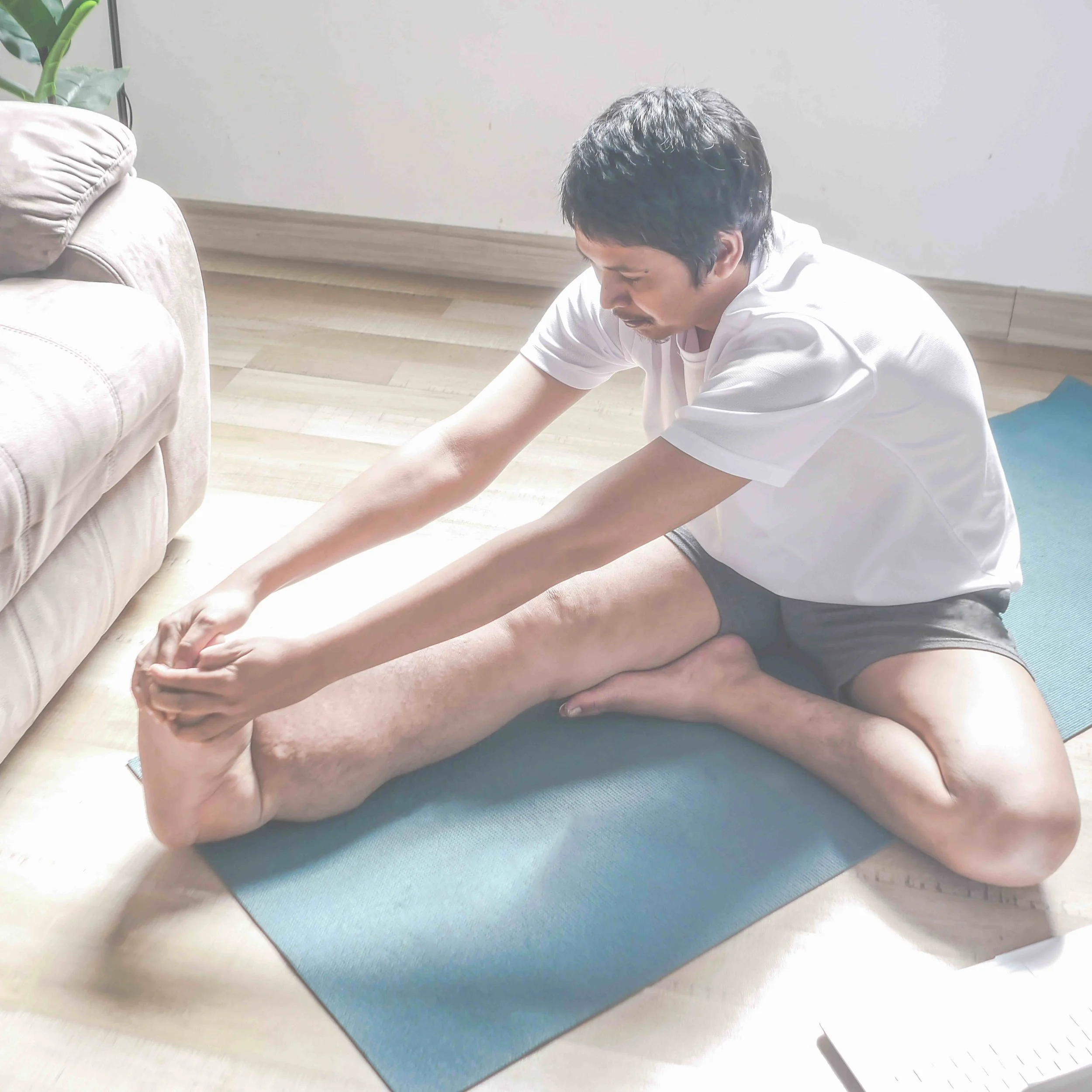
When looking for a style of yoga specifically suited to support the lymphatic system, gentle, movement-based, and breath-centered modalities are the most effective. Because lymph relies on external forces rather than a central cardiac pump, the ideal practice must coordinate three key physical drivers:
Rhythmic skeletal muscle contraction and release (the muscle pump)
Deep, intentional diaphragmatic breathing (the pressure/respiratory pump)
Inversions and joint mobilization (gravitational drainage and compression at nodal hubs)
Top Conventional Styles for Lymphatic Health
Samasa Yoga: a trauma informed, therapeutic approach to yoga that includes somatic warming up methods and a variety of approaches to gentle, moderate and vigorous yoga practices.
Restorative & Yin Yoga: Excellent for sustained, low-load inversions (like Viparita Karani) and long, gentle tissue releases. The prolonged stillness in parasympathetic-dominant states reduces vascular constriction, allowing fluid to drain efficiently without triggering inflammation or stress responses.
Kripalu Yoga: A compassionate, breath-led practice that emphasizes self-observation, continuous diaphragmatic engagement, and flowing, adaptive movement. It avoids rigid over-exertion while systematically moving fluid through major joint hubs (neck, axilla, groin).
Gentle Vinyasa / Slow Flow: Slow, rhythmic transitions act like a manual massage for the vessel networks. Alternating between dynamic flexion, extension, and soft twisting systematically compresses and flushes the deep abdominal nodes.
our Approach - Samāsa Yoga
Samāsa Yoga—a therapeutic, somatic style rooted in the traditions of Kripalu and a wide variety of other styles of yoga, Feldenkrais Method, Alexander Technique, Pilates, Physiotherapy and other techniques while incorporating functional movement and body-mind integration—is exceptionally well-suited for optimizing lymphatic function.
While traditional fast-paced power flows can sometimes create muscular tension that restricts soft lymphatic channels, and static restorative yoga relies primarily on passive drainage, Samāsa Yoga balances these elements through a uniquely holistic framework:
1. Integration of Somatics and Functional Mobility
Samāsa incorporates somatic principles (influenced by practices like Feldenkrais and the Alexander Technique). This focus on subtle, slow, and micro-conscious movement helps release chronic fascial and muscular holdings. Unbinding micro-tensions around major lymphatic hubs—such as the thoracic inlet, pelvic bowl, and axillary nodes—removes mechanical obstructions to fluid flow.
2. Breath-Driven Movement (Pacing the Respiratory Pump)
Drawing from Kripalu’s emphasis on presence and Ashtanga’s rhythmic breath-movement synchronization, Samāsa prioritizes continuous diaphragmatic breathing. By coordinating breath with deliberate, fluid movement, the diaphragm repeatedly changes abdominal-thoracic pressure gradients, drawing lymph upward through the cisterna chyli and thoracic duct.
3. Accessible and Adaptive Mechanics
Because Samāsa is designed to be inherently accessible and trauma-informed, postures are tailored to individual anatomical needs rather than forced into rigid shapes. This prevents over-exertion (which can induce sympathetic stress and constrict lymphatic vessels) while ensuring that muscle compression around nodal clusters remains gentle, effective, and sustainable.
Rasa Dhatu, Emotions, and the Gunas
An Ayurvedic Perspective: Rasa Dhatu, Emotions, and the Gunas
In the wisdom tradition of Ayurveda, the lymphatic system is understood through the concept of Rasa Dhatu—the vital plasma and fluid tissue of the body. Far more than just a physical drainage network, Rasa Dhatu is intimately linked to physical vitality, emotional processing, and the balance of the mind.
What Ayurveda Says About Lymph (Rasa Dhatu)
The River of Life: Rasa is the first of the seven bodily tissues (dhatus), formed directly from digested food. It flows continuously to nourish every cell, tissue, and organ in the body.
Immunity and Ojas: The pure, well-circulated essence of rasa ultimately culminates in ojas—the subtle essence responsible for vital vigour, resilience, and immunity.
Stagnation (Ama): When lymphatic flow becomes sluggish due to cold or heavy foods, sedentary habits, or lack of movement, it generates toxic metabolic residue (ama). Accumulation of ama compromises tissue resilience and weakens the immune response.
The Connection Between Lymph and Emotions
The Emotional River: Ayurveda views physical circulation as a direct reflection of mental and emotional flow; unprocessed emotional trauma, grief, and chronic stress often register physically as stagnation within the body's fluid pathways.
The Kapha Connection: Lymphatic congestion is fundamentally tied to an excess of Kapha dosha (the elements of water and earth). When Kapha becomes imbalanced, it manifests mentally as emotional heaviness, attachment, lethargy, and resistance to change.
Flow and Release: Systematically encouraging lymph movement through breath, movement, and physical touch helps release pent-up emotional holdings, clearing mental heaviness and brain fog.
The Role of the Gunas
The three fundamental qualities of nature—the gunas—dictate the state of both mind and lymph:
Tamas (Inertia & Heaviness): Stagnant, congested lymph fosters tamas, leading to mental sluggishness, dullness, depression, and the accumulation of toxic buildup.
Rajas (Activity & Agitation): Chronic stress, over-activation, and erratic lifestyle patterns provoke rajas, resulting in nervous system agitation, tissue inflammation, and disrupted circulation.
Sattva (Purity & Harmony): Clean, free-flowing lymph nurtures a sattvic state, supporting mental clarity, lightness, emotional stability, and inner peace.
Beyond modern teachers, these ideas stem directly from the primary classical texts of Ayurveda:
Charaka Samhita: Outlines the sequential transformation of the 7 dhatus starting with Rasa, and describes ojas as the supreme essence of healthy rasa.
Sushruta Samhita: Explains the physical and mental manifestations of Kapha imbalance and fluid accumulation in the body.
The notes here are a synthesises of classical texts (Charaka Samhita) with the accessible, somatic language popularized by modern scholars like Dr. Lad and Matthew Remski. For a little more on Ojas, Tejas and Prana with Dr. Vasant Lad check out the video below.


I wasn’t sure where to go to do my yoga teacher training, I didn’t do much research and my heart was telling me to go with Atlas Studio. At the time I wasn’t sure why but my heart knew exactly what was best for me... Denise, my teacher (and the studio owner) brings such an amazing space.
She has a beautiful, loving presence and is extremely knowledgeable. She’s always continuing to further educate herself as well. Every single person I’ve met through the studio are such kind, warm hearted people.
I’ve made amazing connections, I have a safe/love filled place to come to, and I’ve learnt so much. I’m truly grateful. Thanks to Denise and everyone at the studio. 🙏💖
- Alicia Medley